
The Value of Hosting Corporate Team Building Events

When you lead a business with a growing team, you understand the importance of fostering a strong, collaborative culture. One of the most effective ways to achieve this is by investing in corporate team-building events. These activities are not just about fun and games; they are strategic tools that can transform your workplace dynamics, boost morale, and ultimately improve productivity.
Organising well-planned team-building events can help you unlock the full potential of your workforce. You create opportunities for your employees to connect beyond their daily tasks, build trust, and develop communication skills that are essential for success. In this post, you will discover why hosting these events is a valuable investment and how you can implement them effectively.
Why Corporate Team Building Ideas Matter for Your Business
Corporate team building ideas are more than just a break from routine. They serve as a catalyst for positive change within your organisation. When you bring your team together in a relaxed environment, you encourage open communication and collaboration. This can lead to better problem-solving and innovation back in the office.
Moreover, these activities help reduce workplace stress and prevent burnout. Employees who feel connected and supported are more engaged and motivated. This translates into lower turnover rates and a stronger company culture. For business leaders, this means a more stable and productive workforce.

Effective Corporate Team Building Ideas to Try
When planning your next event, it’s important to choose activities that align with your company’s goals and culture. Here are some practical corporate team-building ideas that you can implement:
Problem-solving challenges: Activities like escape rooms or puzzle-solving exercises encourage teamwork and critical thinking.
Outdoor adventures: Group hikes, obstacle courses, or scavenger hunts promote physical activity and camaraderie.
Workshops and training sessions: Focused sessions on communication, leadership, or emotional intelligence can enhance professional skills.
Creative projects: Collaborative art or cooking classes allow team members to express themselves and bond in a relaxed setting.
Volunteering: Organising a community service day helps build a sense of purpose and shared values.
Each of these ideas can be tailored to fit the size of your team and your budget. The key is to create an experience that is inclusive and engaging for everyone involved.
What are some fun activities for large groups?
When you have a large team, it’s essential to select activities that keep everyone involved and energised. Here are some fun options that work well for bigger groups:
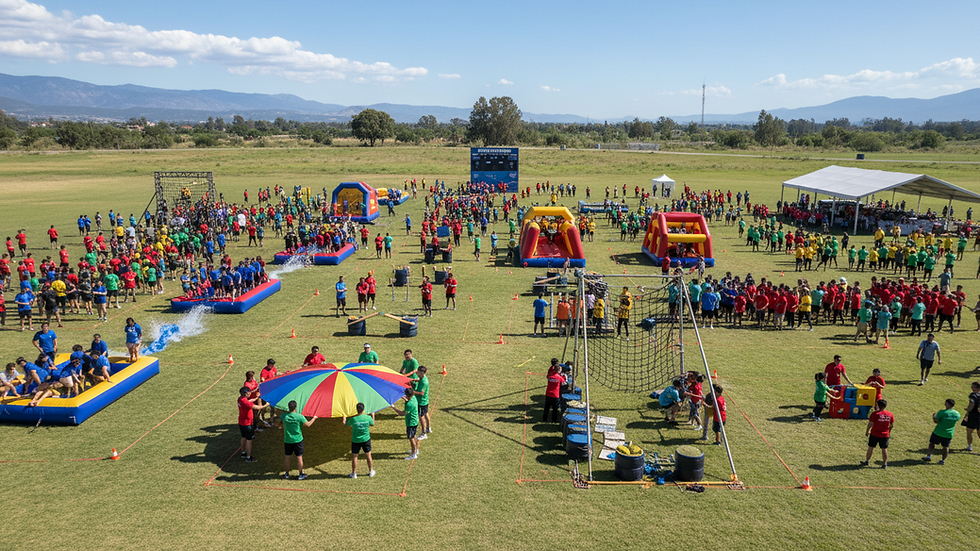
Team Olympics: Divide your team into smaller groups and organise a series of competitive games such as relay races, tug-of-war, or trivia contests. This encourages friendly competition and teamwork.
Interactive workshops: Large groups can benefit from breakout sessions where smaller teams work on specific tasks or challenges before coming together to share results.
Group cooking classes: Cooking together in teams fosters collaboration and provides a delicious reward at the end.
Charity events: Participating in a large-scale charity walk or fundraising event can unite your team around a common cause.
Virtual team building: For hybrid or remote teams, virtual escape rooms or online quizzes can be a great way to engage everyone regardless of location.
These activities not only entertain but also build essential skills like communication, leadership, and problem-solving.
How to Measure the Impact of Your Team Building Events
To ensure your investment in team building is paying off, it’s important to measure the outcomes. Here are some practical ways to evaluate the success of your events:
Employee feedback: Use surveys or informal discussions to gather insights on what participants enjoyed and what could be improved.
Observation: Pay attention to changes in team dynamics, communication, and collaboration after the event.
Performance metrics: Track key indicators such as productivity, absenteeism, and employee retention before and after the event.
Goal alignment: Assess whether the event helped achieve specific objectives like improving leadership skills or fostering innovation.
By regularly reviewing these factors, you can refine your approach and ensure your team-building initiatives continue to deliver value.
Making Team Building a Strategic Priority
To get the most from your team building efforts, it’s essential to integrate them into your broader organisational development strategy. This means planning events that support your company’s vision and values, and scheduling them consistently.
Consider partnering with professional facilitators who specialise in leadership and team development. Their expertise can help you design customised experiences that address your team’s unique challenges and opportunities.
Remember, the goal is to create a culture where collaboration and trust are the norm. When you prioritise this, you set your business up for long-term success.
If you want to explore how to implement effective team-building events tailored to your organisation’s needs, don’t hesitate to get in touch. Together, we can create a plan that energises your team and drives your business forward.


keonhacai có dễ làm quen không nhỉ, mình nghĩ là có đó; vừa mở ra là thấy menu đặt ngay chỗ dễ nhìn nên bấm qua lại vài cái là hiểu, kiểu không phải đoán xem nút nào dẫn đi đâu, mình lướt nhanh thôi chứ cũng không đào sâu nội dung; cái mình để ý là cách họ chia thông tin thành từng khối rõ ràng nên mắt bắt nhịp nhanh, nhìn một lúc là biết mình đang ở mục nào nhờ tiêu đề nằm ngay trên mỗi phần, chữ cũng vừa tầm nên đỡ phải nheo mắt; mấy bảng số liệu họ xếp theo cột nên quét ngang một cái là nắm được, không bị rối, cuộn trang…
Bài viết ngắn gọn, vào thẳng vấn đề nên đọc rất dễ, cảm ơn bạn đã chia sẻ. Dạo này mình cũng hay để ý cách các nền tảng giải trí online sắp xếp giao diện, chủ yếu xem họ chia mục và trình bày dữ liệu ra sao chứ không đi sâu từng trò. Mình gom lại vài ghi chú và ảnh tham khảo để tiện xem lại, ai cần thì ghé https://sketchersunited.org/users/339977